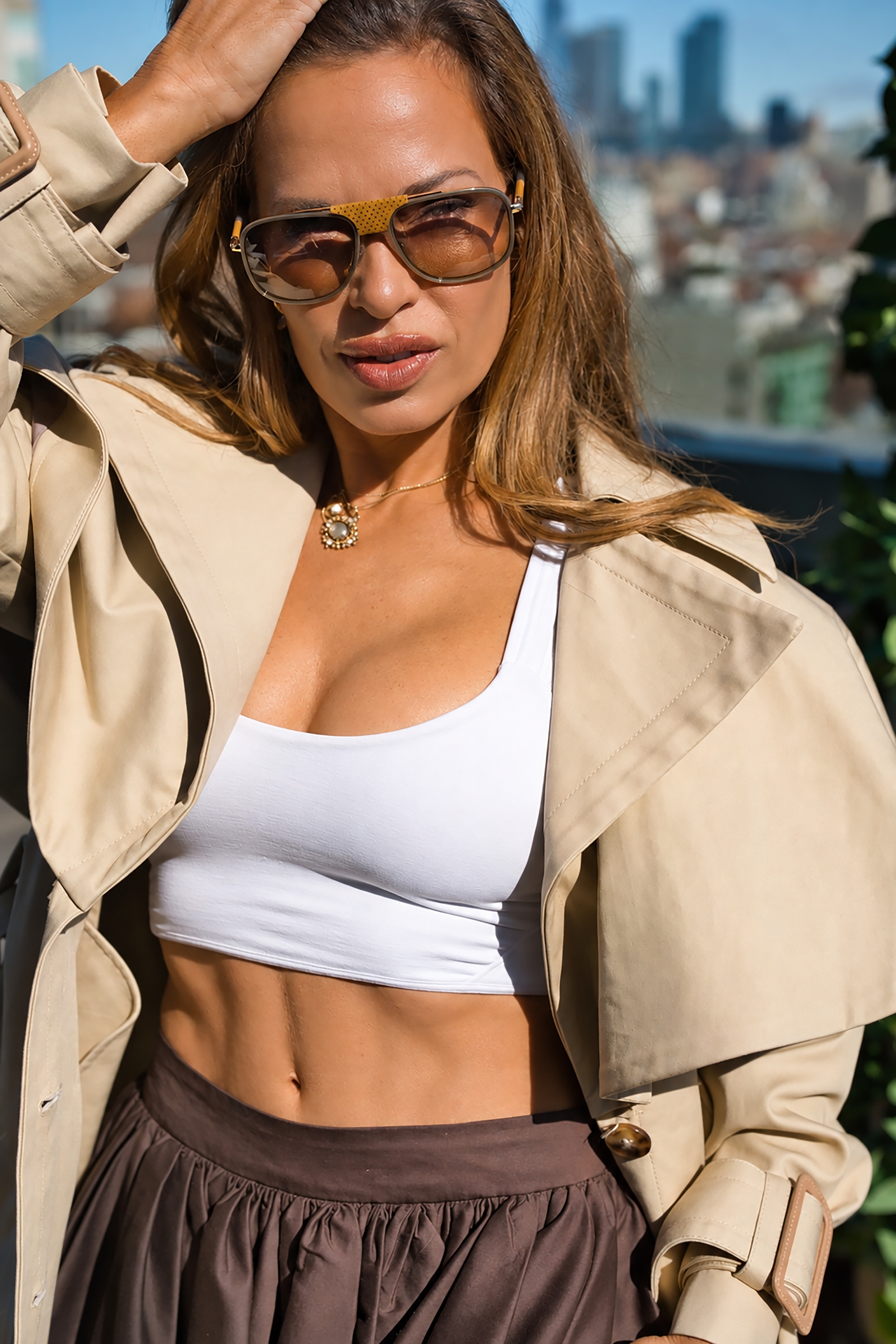
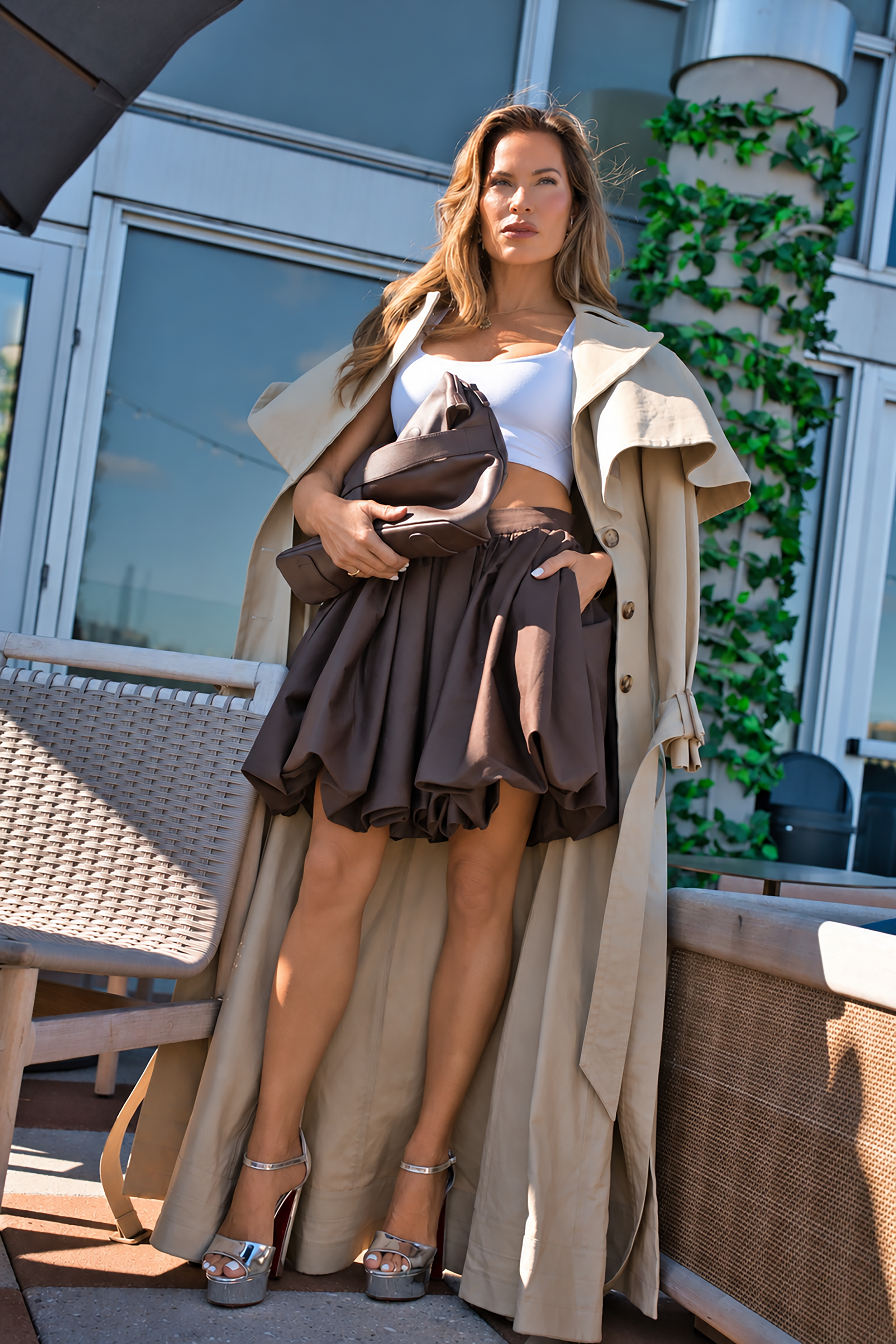
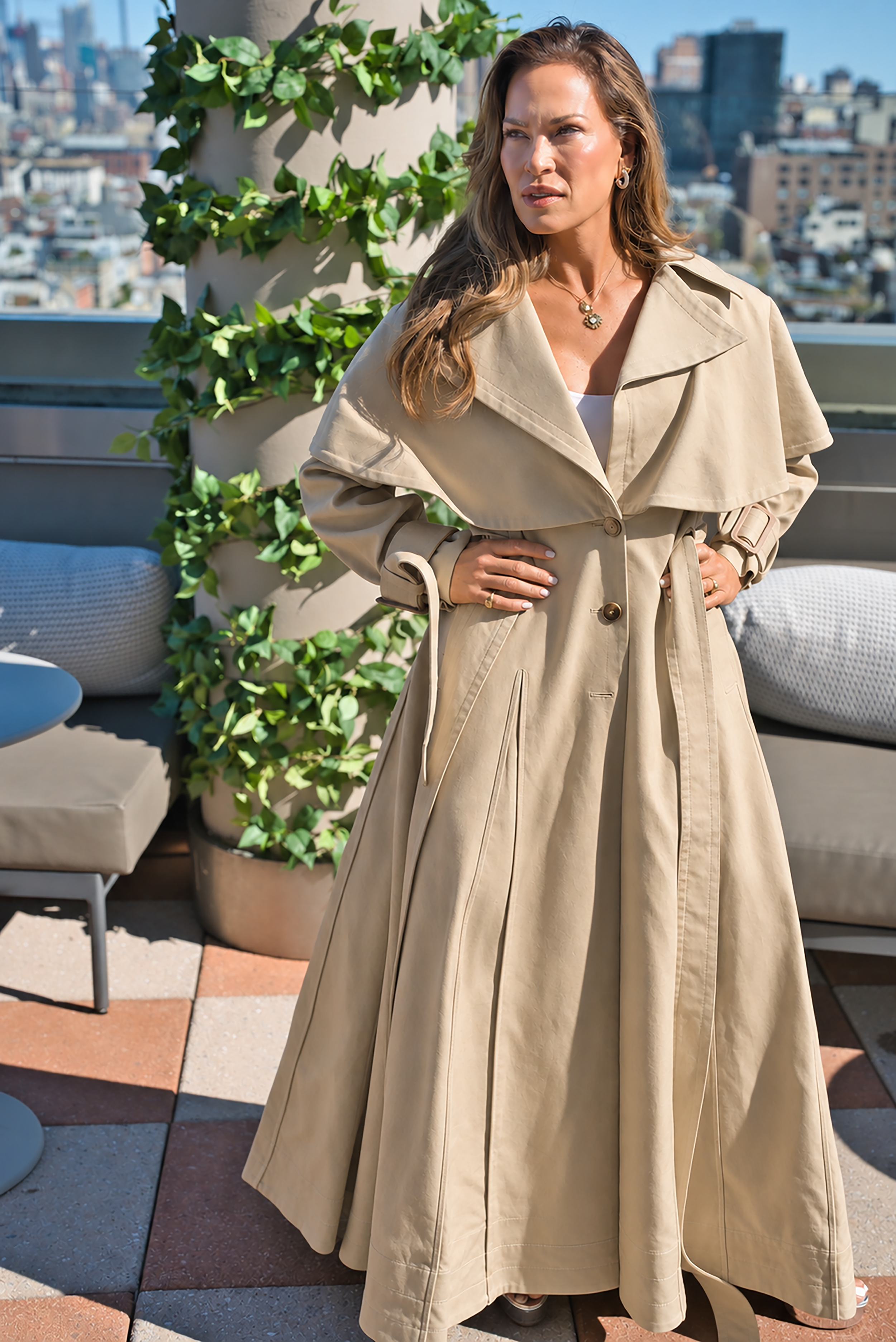
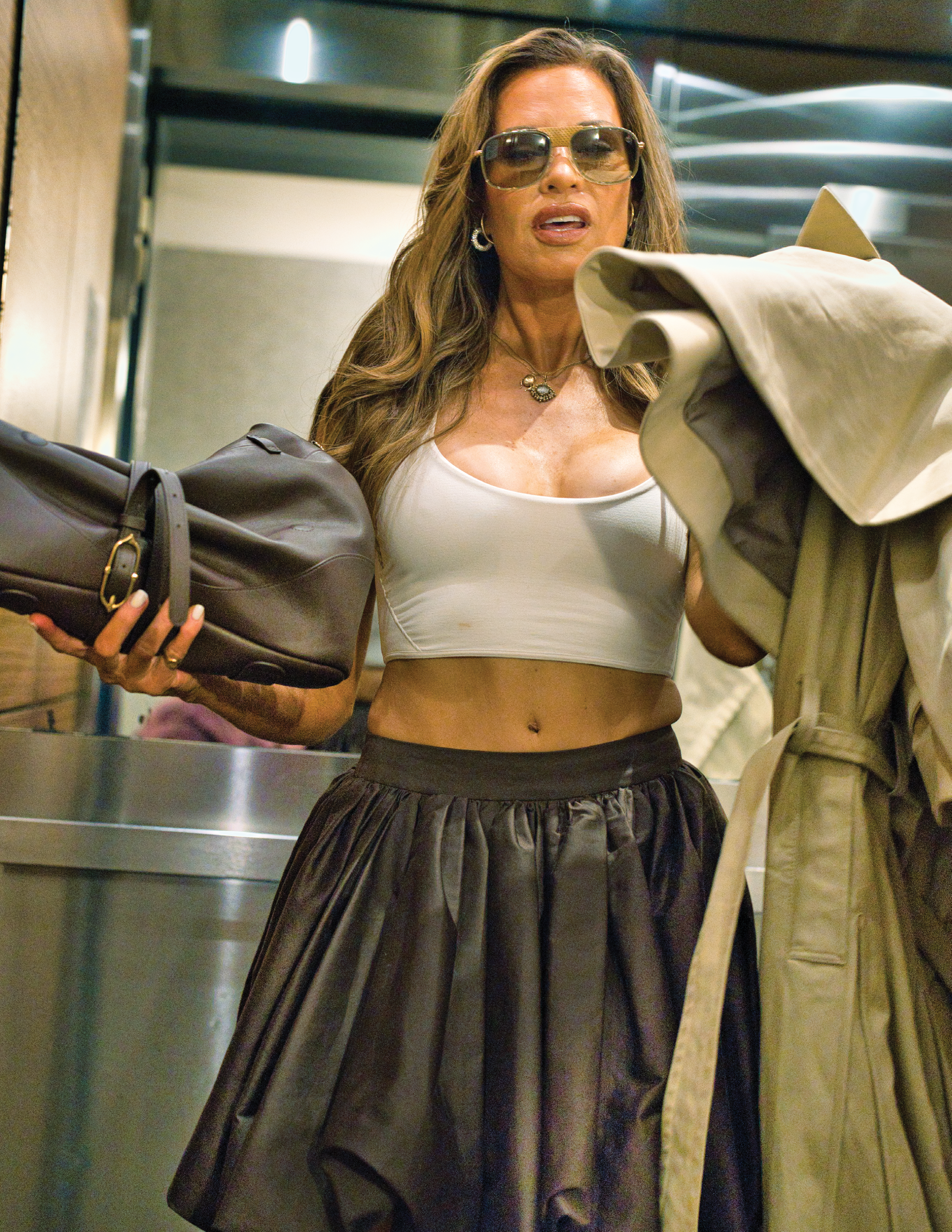
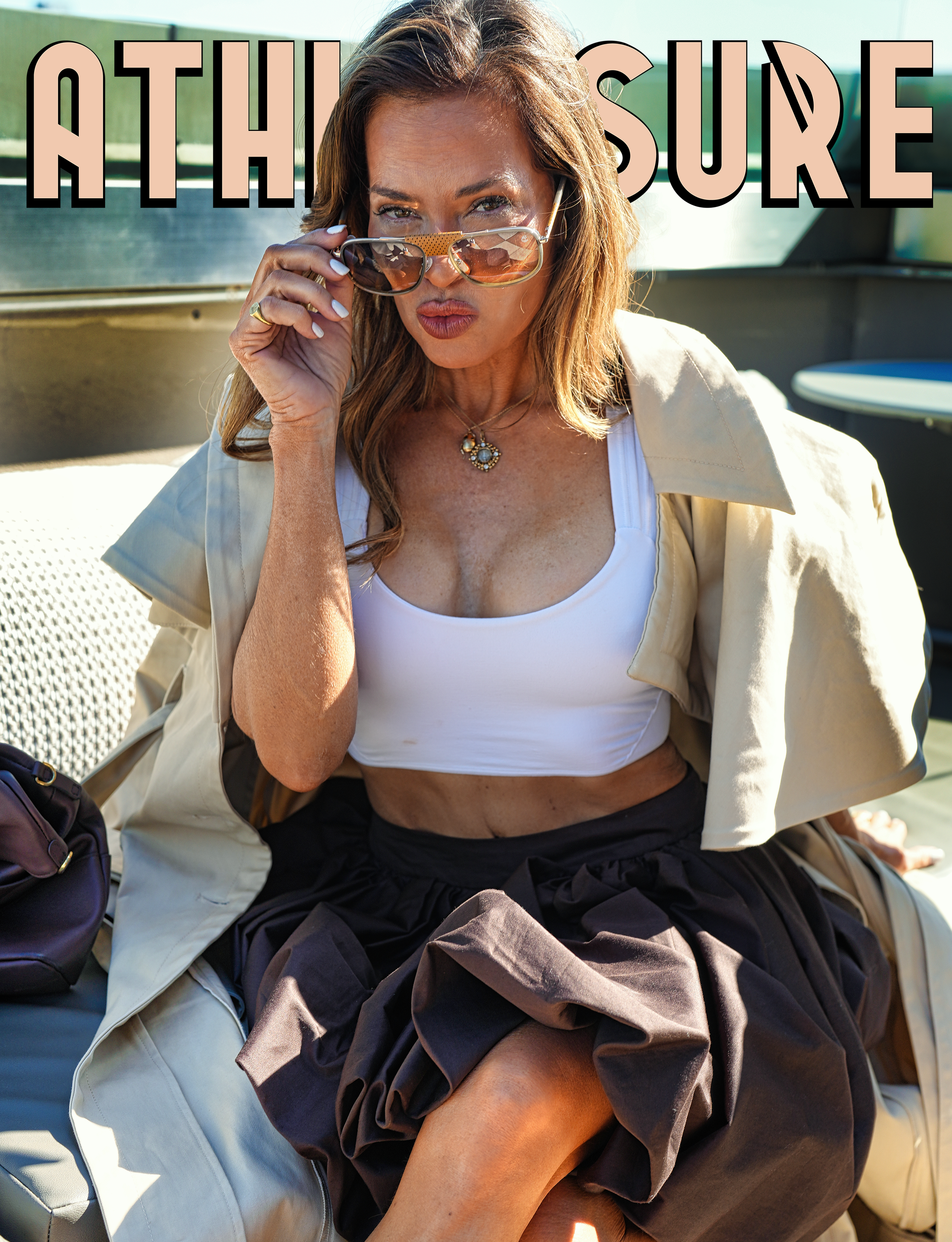
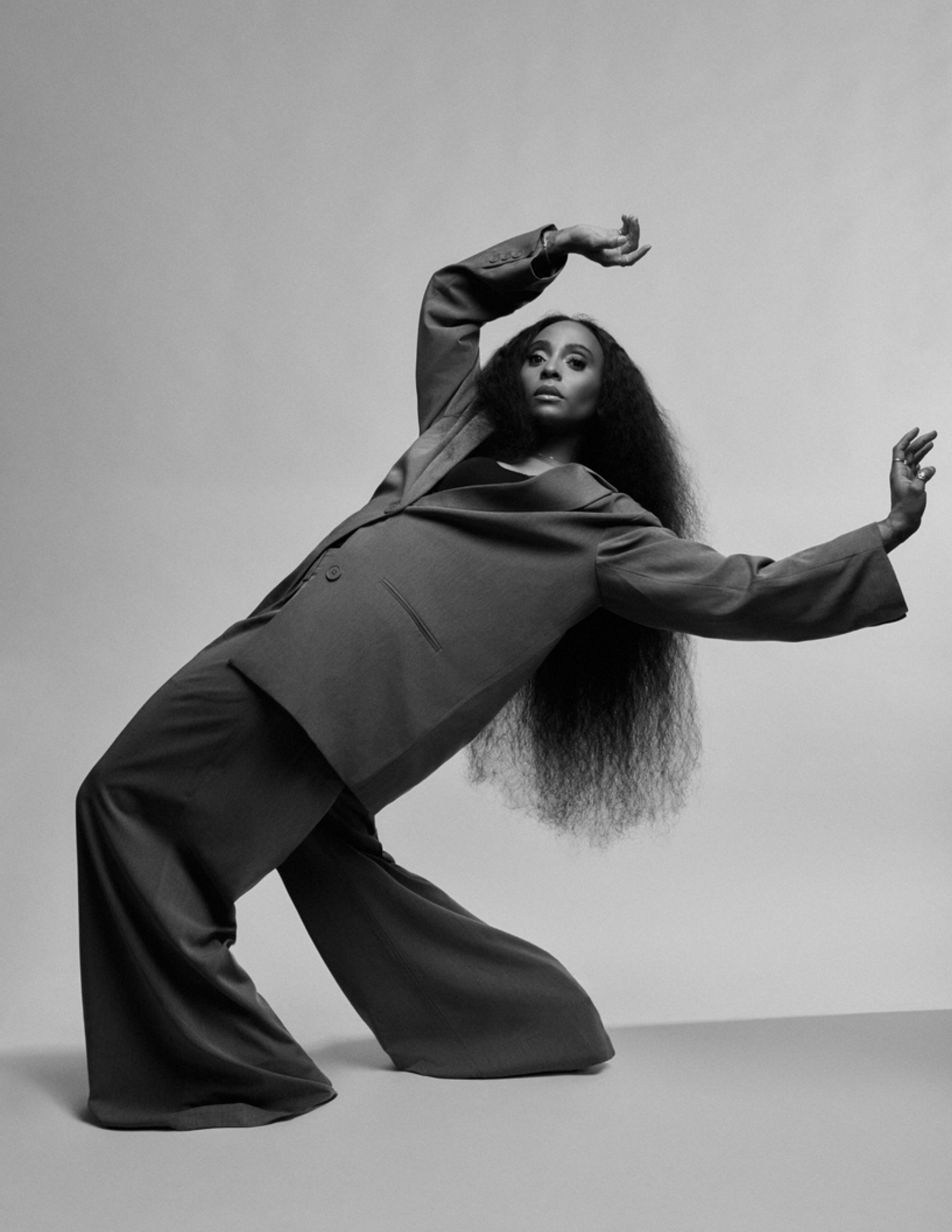
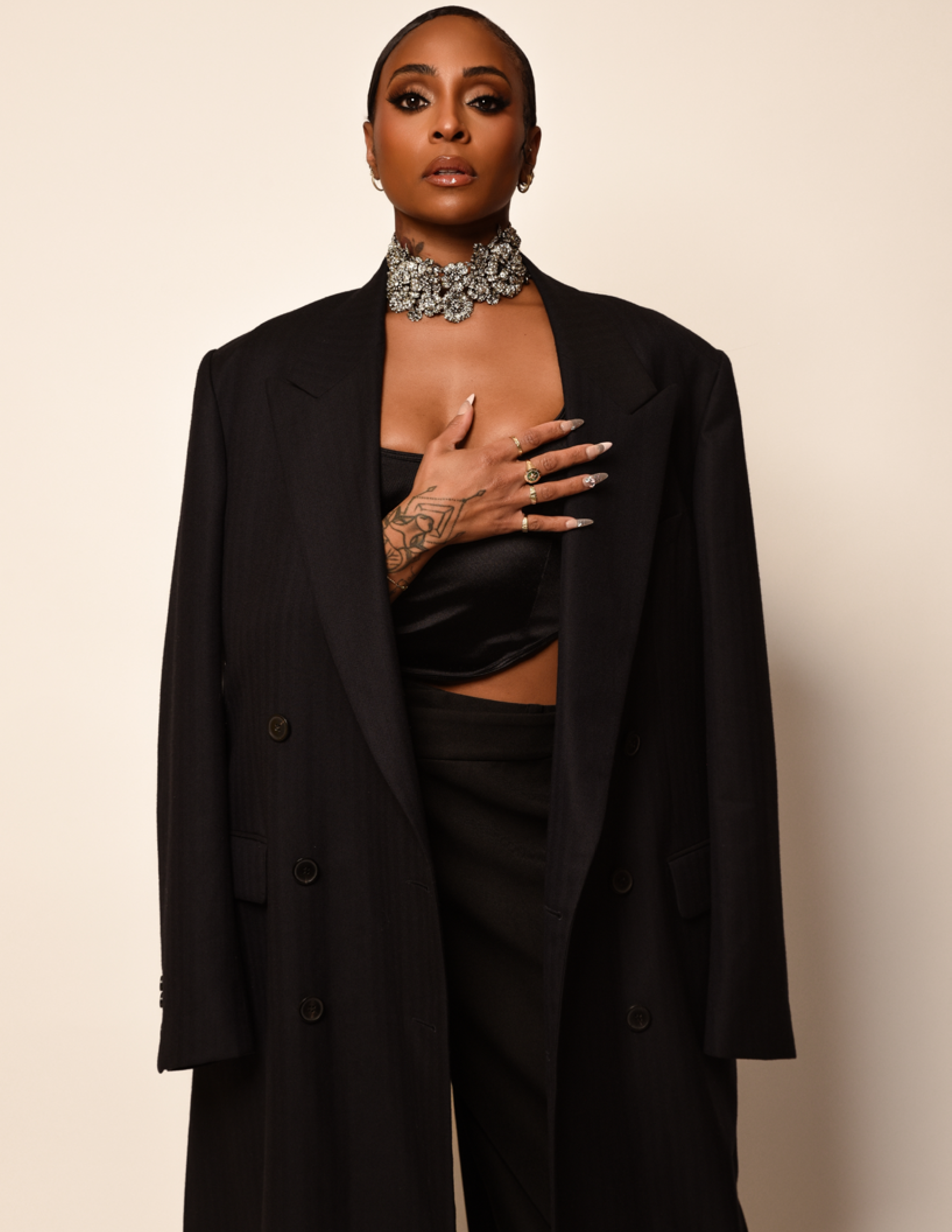
When it comes to watching your favorite entertainer, there are so many components that come together to bring their songs, performance, and personalities to life. Choreography is a major component! We sat down with Jasmine “JB” Badie who has worked with Sabrina Carpenter, Beyoncé, Rihanna, Ariana Grande, and Megan Thee Stallion to name a few!
We sat down with this noted Creative Director and Choreographer to find out about how she got into the industry, the importance of movement, her creative process, and more!
ATHLEISURE MAG: When did you realize that you enjoyed dance and movement?
JASMINE BADIE: I don’t know if there was one exact moment where I realized it. I think I understood the feeling before I understood what I could actually do with it. Music would make me see things — a certain sound could give me an idea, a character, an attitude, a whole visual. Movement eventually became the way I could get those ideas out of my head and make them real.
What’s funny is that I didn’t start out feeling like the strongest dancer in the room. I actually struggled a lot when I first started training. So my relationship with movement wasn’t built from, “Oh, I’m naturally great at this.” I had to find my own confidence in it, and I think that journey is a big part of why I create the way I do now.
AM: At what point did you realize that you wanted to be a choreographer and what do you love about doing it?
JB: I think I realized I had more to offer as a creator when the opportunity just kept knocking at my door. Eventually, I decided to walk in.
I’ve always believed you should wear as many hats as you can, get as much experience as you can and learn everything possible in the field you’re passionate about. Sometimes you’re so focused on one dream coming true that you don’t realize you’re also watering these other inspirations you never even knew you had.
That’s what happened for me. Dance opened the door, but through dancing I was learning so much more — about music, artists, performance, staging, storytelling and eventually what I wanted to create. Choreography became another way for me to use everything I had been picking up along the way.
What I love now is being able to see an idea become something real. Something can start in my head or in a rehearsal room and eventually end up on an arena stage, in a music video, or become a moment people want to recreate themselves. That’s still really special to me.
AM: Can you tell me where you trained and how you would define your style?
JB: My training was a little unconventional. I didn’t grow up in a studio training from the time I was three years old. When I started taking classes, I was actually SUPER insecure. Remembering choreography was hard for me and I would get in my own head about how I looked or what everybody else in the room might be thinking.
Once I moved to LA, I took as many classes as I could from different teachers and went to conventions like Monsters of Hip Hop. I wanted to learn, but eventually I realized part of my training had nothing to do with learning another step. It was learning to trust myself. Once I stopped looking around the room for validation, I realized, “Oh wait, I’m a performer.”
I don’t know that I would define my style by one genre. I think you can definitely feel where I’m from in my movement — Atlanta is always going to be in me — but I’m much more interested in how something feels. I like personality. I like groove. I like a little sauce. And I want the person doing my choreography to still look like themselves.
I also feel like if you have the ear for music and genuinely love the art form, you can do any style you put your mind to. For me, it’s less about putting yourself in a box and more about understanding the music, continuing to learn and being willing to stretch yourself creatively.
AM: Who have been some of the people that you have worked with?
JB: Whew! I’ve been blessed. Between my career as a dancer and my work as a choreographer and creative, I’ve had the opportunity to work with some incredible artists — Beyoncé, Sabrina Carpenter, Pharrell and N.E.R.D., Megan Thee Stallion, Ariana Grande, Missy Elliott, Cardi B, Tate McRae, Victoria Monét, Rihanna and so many others. The list really makes me stop sometimes and say, “Girl… look at your life.” LOL.
And I’ve been fortunate to experience this industry from different sides of the room. Being a dancer first gave me an education that I still use as a choreographer today. Working with so many different kinds of artists also taught me very quickly that there isn’t one formula for being great. I think all of those experiences helped shape the creator I eventually became.
AM: You are a creative director, choreographer, and creative architect behind Sabrina Carpenter’s most talked about performances. How did you connect with her and when you are working with someone, what is your creative process when it comes to bringing your visions to life?
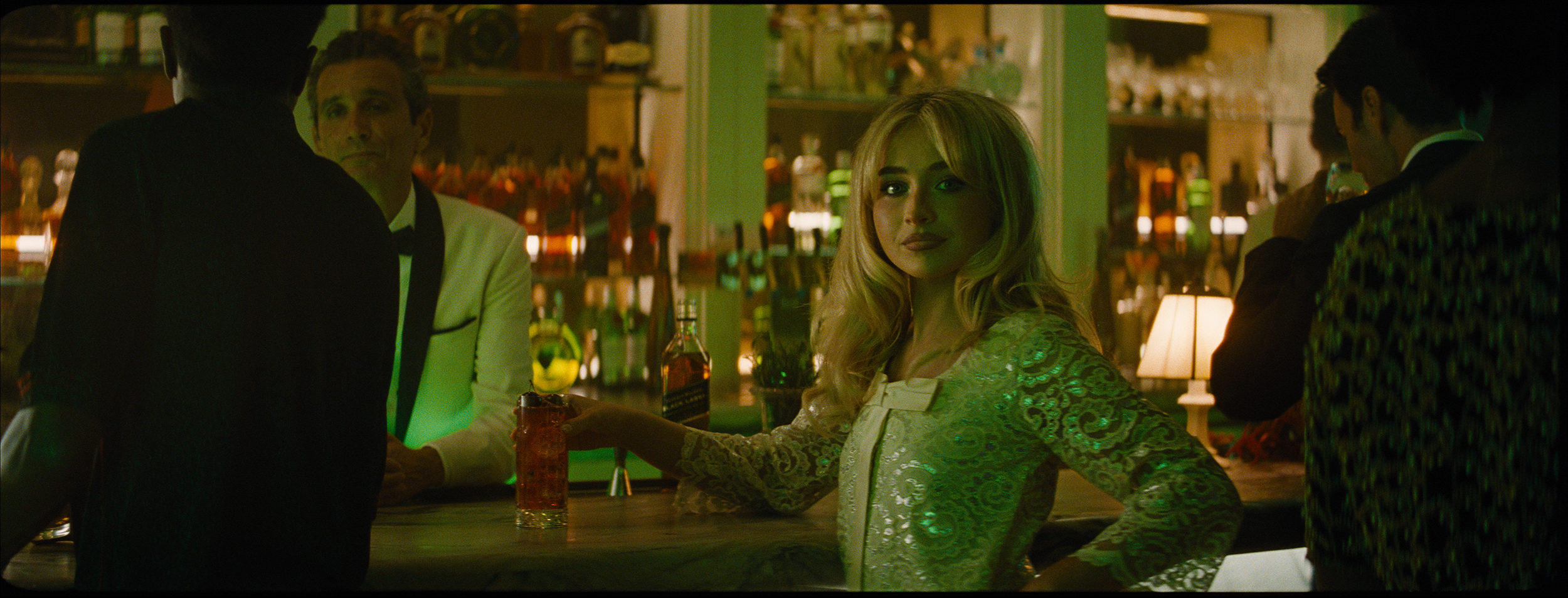
JB: Sabrina and I started working together when I was hired to choreograph Fast Times. We started rehearsing in October 2021, and honestly, it was kismet from there.
We clicked FAST. We’re both Tauruses, so it was very much, “Ohhhh, you get it, get it, got it!” LOL. And she has the same birthday as my sister, which I’ve always found so special. There were just these little connections from the beginning. But beyond that, I saw soooo much for her. I saw possibility. I saw where we could go creatively, and thankfully she trusted me enough to go there with her.
My process now is very instinctual, but it’s also incredibly detailed. I pay attention to the person in front of me. I want to know what makes them comfortable, what makes them uncomfortable, what they naturally do well and what we can pull out of them that maybe they haven’t seen yet.
I’m also a HUGE movie buff, especially old films. I’m obsessed with raw cinematography — when something can be captured so artistically and delicately and then you pair that with good writing? Ugh, it fills me up. I think that naturally affects the way I create. I’m not just thinking about an eight-count. I’m thinking about what you’re seeing, what you’re feeling and what the whole picture is saying.
AM: How do you approach working with someone for a music video, a multi city tour, or an intimate performance?
JB: I think the biggest difference is understanding what each space is asking from you.
With a music video, I have the luxury of the camera. I can make something really small feel huge because I know exactly what you’re going to see. We can do another take. We can change an angle. We can catch that ONE little moment perfectly.
A tour is completely different because whatever we create has to survive. LOL. This person has to do it over and over again, sometimes for months. So now I’m thinking about the whole journey — where we’re giving energy, where we’re conserving it, what happens between songs, how the artist feels physically and whether the person in the very back of the arena is still getting a show.
And intimate performances are fun because you can let people come to you. You don’t always have to yell creatively. Sometimes a whisper is enough.
That’s really the challenge I love: figuring out how big or how small something needs to be without losing its impact.